Why Many Of Us Have Problems Facing Death ~ And How To Get Through It

Kitâb al Mawtâ – كتاب الموتى
11-20-05 ~ Responding to a population seeking practical knowledge and tools, the death literacy movement is filling a much-needed void by offering clarity, comfort, and confidence.
Note by Caren Martineau: Having explored the implications of America’s aging demographic in my introductory article, I wanted to follow up with a piece that continues to provide information, clarity, and encouragement in support of personal and cultural transformation. By helping readers understand the evolution of death denial and its effect on our cultural behavior, individuals gain awareness that can positively impact and enhance their lives. For this article, I enlisted the help of my esteemed colleague Sarah Parker Ward, who is well-versed in behaviors that drive and perpetuate cultural resistance.
To understand the cultural transition from a society that found comfort in end-of-life rituals to one that has distanced itself from the natural dying process, it is essential to look back to the Civil War era—a period when America was drowning in unrelenting grief and catastrophic loss of life.
The Second Industrial Revolution became a fresh start for a country torn apart by war. The convergence of innovation, science, and medical advancements spurred the rise of American can-do optimism, economic opportunity, and societal transformation. Rural populations migrated toward industrialized centers, where hospitals welcomed the sick into their modern, sterilized environments. In these rapidly expanding communities, the practice of out-of-home care eventually replaced the traveling country doctor and, more significantly, reduced the cathartic gatherings and intergenerational knowledge-sharing that traditionally accompanied end-of-life rituals.
It was in these sanitized, clinical environments where death became a medicalized condition and the underpinnings of death denial developed its roots.
Death and Dying in the 21st Century: Why the Status Quo Can’t Last
The 1990s witnessed the emergence of the aging zeitgeist, a new generation of interdisciplinary advocates—referred to by scholar Tony Walter as “neomodern revivalists”—who sought to rekindle interpersonal relationships with death rather than institutionalized ones. Like most consciousness-raising movements, socially driven individuals and do-good nonprofits embraced this ethos. Together, these early adopters sought to confront death denial and needless end-of-life suffering through education. Slow-moving at first, attempts to destigmatize the taboo with more forthright conversations on emotional well-being, particularly among younger generations, have shifted in the aftermath of the COVID pandemic. As professor of psychology Lauren Breen pointed out in the Conversation, in 2022, “The pandemic has shown more than ever that we must do more to understand and support grieving people, strengthen their supporters and boost collective well-being in the wake of everyday loss and large-scale disasters.”
After experiencing the randomness of sudden death and stunted funerary rituals at scale, people are globally heeding that call, becoming more open to talking about dying and grief. Faced with aging populations, continued reticence around end-of-life is evolving. As the International End-of-Life Doula Association explains, “In the contemporary Western way of life—family members residing in different places, multiple generations no longer sharing the same home, increasing dependence on technology, and the bias embedded in our health care system—people have lost touch with the naturalness of dying and how best to support people going through it. As a result, too many people die in fear and unnecessary suffering.”
Perception Versus Reality: Death-Readiness Indicators
While interest in and engagement with end-of-life conversations has become markedly more mainstream since COVID, the gaps between concept and practice demonstrate how death avoidance continues to be a barrier in most industrialized societies.
Two self-declarative forms have become a reliable measure of how an aging population is coming to terms with life’s inevitable finitude. Recognized by both medical and legal communities, the advance care directive (ACD), also known as an advance care plan (ACP), and the healthcare proxy (HCP), serve as future-forward instructions for medical care. While ACD/ACP ensures that one’s values, beliefs, and goals are known and respected, the HCP, also known as a healthcare power of attorney (POA), identifies a person (the agent) authorized to make medical decisions should the patient become incapacitated. When completed and shared with family and the care team, these essential documents help eliminate the burden of uncertainty regarding one’s future care.
A 2020 study published in the Journal of the American Medical Association reported a 4.9 increase in users completing no-cost ACPs between 2019 and 2020. However, the broader population trend of low ACP completion persists: only 44 percent of elderly U.S. adults have completed forms, and this figure is as low as 5 percent in France’s total adult population, according to a 2024 study published in the Journal of the American Geriatrics Society.
Another consequential indicator identified communication as a key component of death-readiness. According to The Conversation Project, 92 percent of Americans believe it is important to discuss their end-of-life care wishes. Still, only 32 percent have taken steps to ensure these conversations occur. Read more
Trump’s Environmental Policy Is Determined To “Make America Poisoned Again”
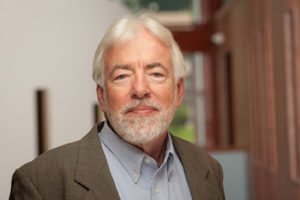
James K. Boyce – Photo by Matthew Cavanaugh
11-19-05 ~ Trump has taken a wrecking ball to environmental regulation. Who benefits?
In 2020, Noam Chomsky raised eyebrows by declaring Donald Trump “the worst criminal in human history” on account of the fact that, as president of the most powerful nation in the world, he was pursuing environmental policies that would lead to the destruction of “organized life on earth.” That statement was made during Trump’s first presidency. The second Trump presidency is now much worse. In the exclusive interview for Truthout that follows, world-renowned economist and environmental policy expert James K. Boyce unravels Trump’s ideological stance and catastrophic policies on climate and the environment during his second term in the White House — but also argues that the future still depends on us. Boyce is professor emeritus of economics and senior fellow of the Political Economy Research Institute (PERI) at the University of Massachusetts Amherst. He is the author of many books and the recipient of the 2024 Global Inequality Research Award and the 2017 Leontief Prize for Advancing the Frontiers of Economic Thought.
C. J. Polychroniou: Trump’s second-term environmental policies, which include significant weakening and even elimination of environmental safeguards, canceling funds for clean energy projects, and firing hundreds of climate specialists, are proving to be far more extreme and dangerous than his first. Can you make sense of the rationale behind these reckless policies? Is it purely economic reasoning or the enforcement of an ideological agenda in reaction to green activism?
James K. Boyce: I think it’s both. There are short-term economic benefits to some of Trump’s corporate backers, and I suppose you can call this “economic reasoning” — if you’re thinking not about the well-being of the country but about their bottom lines. But there’s an ideological agenda at play too: words like “green” and even “climate” are regarded by many Trump supporters as smokescreens for elite privilege and government overreach.
The payoff for the fossil fuel companies has been evident. In April 2024, at a dinner for top oil and gas executives that he hosted at his Mar-a-Lago club, Trump reportedly asked them to contribute $1 billion to his election campaign, saying it would be a “deal” in light of what they would get back when he was elected. The companies contributed only $75 million in the end, according to a New York Times analysis. But in less than a year the Trump administration has rolled out $18 billion in new subsidies to the fossil fuel industry. These come on top of billions in pre-existing subsidies. The administration has also cut $6 billion from royalties that companies pay for oil and gas extraction on public lands. By any measure, the industry has reaped a very generous return on its investment.
Ideologically, what we are seeing today has some overlaps with the traditional “small government” agenda of right-wing libertarians who chafed at government regulation — a strand of conservatism as concerned about power as profits. The decimation of government services and many agency budgets is in line with this tradition. But at the same time, we are seeing lavish handouts to favored sectors like fossil fuels and a metastatic growth of state power in domains like immigration and the control of academia. The downsizing of some functions of the state is fused with its aggrandizement in other respects. What holds this bundle together is a war against the “other,” where “other” includes foreigners, minorities, and “woke” elites. What we’re seeing is the emergence of a mean state, not a small state.
Shockingly enough, the Trump administration has rolled back limits on PFAS chemicals, which are linked to cancer and immune dysfunction. Why would Trump engage in an all-out assault on chemical regulations? Is it because the chemical industry is allegedly a struggling sector?
The rollback of rules on PFAS “forever chemicals” in drinking water is only one front in a broader assault on environmental protection. It is part and parcel of the Trump administration’s policy of Making America Poisoned Again. This is driven primarily by across-the-board antipathy to regulations and the agencies that administer them, not by the impacts of specific rules on corporate balance sheets. For the moment, U.S. chemical manufacturers are in good shape relative to their European competitors by virtue of access to cheap natural gas and petroleum, the feedstocks for many products. Chemical manufacturers in China and India similarly have received a boost from discounted prices for Russian oil and gas due to the Ukraine war sanctions.
The U.S. is lagging behind Europe, however, in terms of chemicals innovation, and this bodes ill for its competitiveness in years ahead. The innovation gap in part reflects different regulatory environments. The European Union’s REACH Regulation requires companies to test existing products and encourages them to come up with less toxic alternatives. U.S. regulation under the Toxics Substances Control Act mandates testing for new chemicals but continues allowing old ones into the market by exempting them from the same scrutiny, with the perverse result that innovation is discouraged.
The costs of hazardous emissions are inflicted disproportionately on minority and low-income communities, sparing communities with greater political influence. This makes it easier for this administration to gut environmental protection. Indifference to the human costs of its policy decisions — when the humans in question are the wrong sort — is a hallmark of the meanness agenda being pursued by key Trump officials.
Trump has withdrawn support for research that mentions “climate,” called wind and solar the “scam of the century,” and blamed renewable energy for rising electricity prices. I don’t think he is unaware of the risks of climate change, although he has ignored every warning about the climate crisis and continues to use the “flood the zone with shit” strategy for the environment. Be that as it may, can one man stop the energy transition?
The short answer is “No.” But he can do a lot of damage in the meantime.
The cost of renewable energy has fallen quickly, faster than most observers predicted a few years ago. Solar, wind, and battery storage together will account for 93 percent of new electricity generation capacity added in the U.S. this year. The Trump administration’s manipulation of subsidies and regulations in favor of fossil fuels will delay the advance of renewables but not halt it.
Meanwhile, the energy transition is gathering momentum in the rest of world. Clean energy is now estimated to account for one-quarter of China’s economic growth. It is no more likely that the U.S. economy will still have a fossil fuel-based economy at the close of this century than it was that we’d be driving horses and buggies at the end of the last one. The difference is that the U.S. led the transportation revolution of the 20th century, whereas today it seems determined to bring up the rear. Read more
Vertières, With The V For Victory

La Batalla de Vertières
11-19-2025 ~ This year marks the 222nd anniversary of the Battle of Vertières. It took place on November 18 south of Le Cap, in what was then known as Saint Domingue. In that battle, which lasted five hours, Napoleon Bonaparte’s elite troops were defeated by battalions of former slaves led by Jean Jacques Dessalines, who consolidated the independence of what would henceforth be called Ayti or Haiti.
Haiti is always mentioned in the media in connection with misfortune. The poorest nation in the hemisphere, famine, cholera, violence. What is not mentioned is the cause of poverty or famine or the cholera epidemic or violence, consequences of centuries of colonial and neocolonial domination. At this moment, the situation is particularly serious, especially in the capital Port-au-Prince and in the Artibonite Department. In fact, a series of heavily armed gangs have taken control of large areas, unleashing unprecedented violence that has claimed more than 5,000 lives this year and caused the internal displacement of more than 1.3 million Haitians to safer areas of the country. The situation of children is particularly alarming. According to reports from UNICEF, 680,000 children have been displaced from their homes, 300,000 have interrupted their studies, either because schools have been destroyed or are being used as shelters, and 288,544 children under the age of 5 are at risk of malnutrition. It is important to note that displacement places children in a vulnerable situation, including health risks due to poor hygiene in shelters, malnutrition, and even forced recruitment by armed gangs. A recent report by Catherine Russell, Executive Director of UNICEF, estimated that 30 to 50 percent of gang members were minors, who are used as messengers, kitchen workers, sex slaves, and even forced to participate in acts of armed violence.
It is important to note that these gangs have destroyed vital infrastructure, including 38 hospitals, six universities, and libraries, and have forced more than 1,000 schools to close. All of this, and the resulting demobilization of the population that this violence entails, calls into question the idea that these are simply conflicts between criminal gangs. These gangs regularly receive weapons and ammunition from the United States, and this action indicates a project that seeks to make the functioning of a nation unviable. But this attack on the Haitian nation is not recent. Haiti has been under siege by imperial powers since its independence.
The island of Haiti was invaded by Christopher Columbus on his first voyage in 1492, establishing the first European settlement in Our America. The entire island became a colony of the Castilian, then Spanish, empire. In 1697, the Treaty of Ryswick between France and Spain granted the western part of the island to France, henceforth to be called Saint Domingue. The island was rich in resources, and Europeans, in need of labor, brought in millions of Africans who were kidnapped and enslaved to work in mines, plantations, and estates. It would not be an exaggeration to say that it was this wealth that provided the economic basis for the development of imperial France. In 1789, the year of the Storming of the Bastille in Paris, the colony had 793 sugar plantations, 3,150 indigo plantations, 3,117 coffee plantations, 789 cotton-producing units, and 182 rum distilleries. With a population of 40,000 whites and 28,000 free mulattoes, production was sustained by the slave labor of 452,000 Africans and their descendants, who made up 86% of the total population.
Control of the colony was characterized by unimaginable cruelty. Rebellions took place from the very beginning of the conquest of the territory. I highlight here the ceremony of Boïs Caiman in 1791, when Dutty Boukman and the voodoo priestess Cecile Fatima managed to gather 200 slaves and, in a ceremonial cry, swore to fight for their freedom. That same year, a massive uprising began with the burning of plantations and the killing of settlers. It was Tousant L’Overture who managed to organize an army and defeat the occupiers, declaring freedom for all. L’Overture trusted revolutionary France with its ideals of Liberty, Equality, and Fraternity, but that same revolution betrayed him, and he ended up dying in a cold prison in eastern France.
France decided to send an expeditionary force of 84 ships with 25,000 soldiers to regain control of its most precious colony and placed a sinister character in command: Donatien Marie Joseph de Vimeur, Count of Rochambeau. In his novel Estela, Emeric Bergeaud describes him as follows: “his small stature, his angular features, his haughty gaze, which complement the approximate portrait of his moral ugliness.” Rochambeau committed atrocities from the moment he landed in Saint Domingue, including the use of dogs trained to hunt and kill. In a letter to his commander Ramel dated May 6, 1803, he writes: “I am sending you, my dear commander, a detachment of 50 men from the Cape National Guard, commanded by M. Bari; they are bringing 28 mastiffs. These reinforcements will also enable you to complete your operations. I will not let you ignore that you will not be paid any rations or expenses for feeding these dogs. You must give them blacks to eat.”
Rochambeau did not count on the determination of a people fighting for their freedom. L’Overture did not die in vain, and the flags he waved were taken up by Jean Jacques Dessalines, who led the resistance and heroically defeated the most powerful army in Europe at Vertières 222 years ago. Read more
Bluewashed: How The Beauty Industry Sold An Ocean-Friendly Illusion
 11-15-2025 ~ As consumers flock to “reef-safe” and “ocean-friendly” skincare, beauty brands are selling a vision of ocean purity that is more marketing-driven than science-based.
The personal care industry has mastered the art of marketing eco-consciousness— evolving beyond familiar labels like “green,” “clean,” and “natural”—into a new wave of sea-inspired branding that claims to champion ocean conservation.
Terms such as “reef-safe” and “ocean-friendly” evoke images of crystalline waters and thriving coral reefs, yet behind the glossy marketing lies a regulatory murk. With no federal standards or clear definitions, consumers are left to navigate a tide of misleading labels.
As “ocean-safe” products flood the market—wrapped in teal hues and marine motifs—the illusion of ecological responsibility is gaining momentum, but it’s worth asking whether these gestures represent genuine sustainability or merely performative eco-branding.
Lorraine Dallmeier, CEO of Formula Botanica, warns that when sustainability becomes a marketing function, images can eclipse impact. “[M]arketing tells stories, it connects us with people, it builds communities, it grows businesses,” she says during the episode, “When Sustainability Reports to Marketing—Beauty’s Uncomfortable Truth,” on her Green Beauty Conversations podcast. “But when sustainability reports to marketing, we start prioritizing optics over action.”
The Critical Role of Coral Reefs in Supporting Biodiversity
Coral reefs are among the most biologically diverse ecosystems on Earth—hosting more than 25 percent of all marine species despite occupying less than 1 percent of the ocean floor, according to the Coral Reef Alliance.
The Environmental Protection Agency (EPA) categorizes coral reefs as essential habitats, acting as nurseries and spawning grounds for countless fish species, crustaceans, mollusks, and marine food webs. According to the MIT Science Policy Review, coral reefs deliver substantial economic and cultural benefits—through fisheries, tourism, recreation, and even pharmaceutical discoveries—worth trillions of dollars globally.
The initial swell in ocean-centric marketing followed Hawaii’s 2018 ban on sunscreens containing oxybenzone and octinoxate—chemicals that filter ultraviolet (UV) radiation, which are harmful to ocean ecosystems.
The bill was informed by a 2015 study published in the Archives of Environmental Contamination and Toxicology, which examined how chemical sunscreens can damage coral larvae and cells, causing coral bleaching, making them vulnerable to infection, and preventing them from getting the nutrients needed for survival. The study found that “the chemicals cause bleaching, deformities, DNA damage, and ultimately death in coral when they’re washed off beachgoers or discharged into wastewater treatment plants and deposited into bodies of water,” states a CNN article.
The Hawaii legislation represented a watershed moment in environmental regulation, drawing global attention to the hidden ecological costs of UV chemical filters and inspiring other nations, such as the U.S. Virgin Islands, Palau, Aruba, and Thailand, to adopt similar restrictions to protect ocean life.
While the chemical impact of sunscreens on marine environments is well-documented, critics argue that the personal care product (PCP) industry doesn’t always honor the principles of the 2018 legislation passed by Hawaii.
How the Chemicals in Sunscreen Are Harming Ocean Life
According to a 2023 National Geographic article, “14,000 tons of sunscreen are thought to wash into the oceans each year,” and 82,000 chemicals from PCPs are found in the seas.
In a 2022 study, scientists from Stanford University revealed that animals process oxybenzone and UV radiation differently than humans; their metabolic systems alter the molecule in ways that make it reactive under sunlight, producing harmful reactive oxygen species that damage cells.
“The way sunscreens work is they chemically occlude the sun,” said oceanographer and educator David Hastings in an interview for this article. “And if you’re a coral trying to make a living by photosynthesizing, your symbiotic algae are sitting there, dying for the light.”
Even mineral sunscreens marketed as “reef-safe” can pose risks to ocean ecosystems under certain conditions. While they avoid chemical UV filters, many products contain zinc oxide or titanium dioxide, which are manufactured as nanoparticles. Due to their small size, these nanoparticles can bypass water treatment systems and bioaccumulate in marine organisms, according to a 2018 study published in Science of The Total Environment.
“Current research has only scratched the surface of understanding how these chemicals can affect marine life,” notes lead author of a 2025 report, Anneliese Hodge, PhD researcher at Plymouth Marine Laboratory and the University of Plymouth. “What’s particularly concerning is that these compounds are considered ‘pseudo-persistent pollutants’ due to their continuous introduction into marine environments as well as an overall lack of understanding of how they then interact with others in the sea.”
PCPs expose aquatic environments to various chemicals, including synthetic polymers, microplastics, siloxanes, and parabens.
Notably, microplastics—or microbeads—in facial scrubs and body washes have become one of the most visible examples of hidden plastic pollution; marine organisms—from plankton to fish—ingest the tiny plastic particles, which leads to oxidative stress, endocrine disruption, reduced growth, and altered behavior, according to a 2022 study published in Frontiers in Environmental Science.
Scientists warn that claims about “biodegradable” or “organic” microbeads made from plant starches, cellulose, or bioplastics such as polylactic acid can be misleading. Once released into the environment, these materials behave much like conventional plastics: They do not dissolve or readily break down in water and instead accumulate in rivers and oceans, according to the United Nations Environment Program. Read more
Human Gene Editing And The CRISPR Revolution

Ills.: en.wikipedia.org
11-14-2025 ~ CRISPR-based technology is advancing rapidly, driving international competition. Its promise to transform medicine is colliding with political and social realities, even as applications expand.
A major medical milestone took place in May 2025, when doctors at the Children’s Hospital of Philadelphia used CRISPR-based gene editing to treat a child with a rare genetic disorder. Unlike earlier CRISPR (Clustered Regularly Interspaced Short Palindromic Repeats) treatments that targeted well-known genetic mutations, this marked a new level of personalized medicine tailored to a patient’s unique DNA. For advocates of biomedical innovation for human enhancement, it was another sign of gene editing’s vast potential, even as ethical, political, and safety concerns remain.
Efforts to alter human genes really began in the 1970s, when scientists first learned to cut a piece of DNA from one organism and attach it to another. The process was slow, imprecise, and expensive. Later tools like meganucleases, transcription activator-like effector nucleases, and zinc-finger nucleases improved accuracy but remained technically complex and time-consuming.
The real revolution came in 2012, when researchers Jennifer Doudna and Emmanuelle Charpentier harnessed CRISPR, a natural bacterial defense system. In bacteria, CRISPR cuts out invading viruses’ DNA and inserts fragments into its own genome, allowing it to recognize and defend against future infections. Doudna and Charpentier showed that this process could be adapted to any DNA, including human, creating a precise and programmable system to target genetic mutations. Together with a protein called CRISPR-associated protein (Cas9), which acts like molecular scissors, it made cutting, modifying, and replacing DNA faster, easier, and cheaper.
Attempts to push the technology forward clashed with regulatory caution and ethical debate, but more than 200 people had undergone experimental CRISPR therapies, according to a 2023 MIT Technology Review article. The first major legal breakthrough came that November, when the UK approved Vertex Pharmaceuticals’ CASGEVY for the treatment of transfusion-dependent beta thalassemia and sickle cell disease. Enabled by advances in CRISPR technology, CASGEVY works by making “an edit (or ‘cut’)… in a particular gene to reactivate the production of fetal hemoglobin, which dilutes the faulty red blood cells caused by sickle cell disease,” explained Yale Medicine. Bahrain and the U.S. granted regulatory approval weeks later, and by mid-2025, the EU and several other countries followed.
CRISPR technology continues to advance, with researchers at the University of Texas at Austin recently unveiling a CRISPR therapy that can replace large defective DNA segments and fix multiple mutations simultaneously, overcoming the limits of traditional one-site editing. “Epigenetic editing,” meanwhile, uses modified Cas9 proteins to turn genes on or off without cutting the DNA, and new CRISPR systems can even insert entirely new DNA directly into cells, bypassing the cell’s natural repair process for larger precision edits.
Alongside academic researchers, major companies are emerging in the gene-editing field. By early 2025, the U.S. had 217 gene-editing companies, compared with a few dozen in Europe (mainly in the UK and Germany) and 30 in China, according to the startup company BiopharmaIQ.
CRISPR Therapeutics, Intellia Therapeutics, and Beam Therapeutics are among the industry’s leaders. A growing network of companies and research teams attended the Third International Summit on Human Genome Editing held in London in 2023, following the first in Washington, D.C., in 2015, and the second in Hong Kong in 2018.
Smaller companies are also innovating. Xenotransplantation—
The patient survived for two months before dying of unrelated causes, and the company completed another transplant in 2025. Other companies, including United Therapeutics through its subsidiary Revivicor, have begun their own trials in a potential bid to transform the organ donor industry. Read more
Impending Strike In Las Vegas Exposes Labor Abuses In Service Sector Nationwide
 11-14-2025 ~ Service work now dominates the economy. That changes how we build worker power, scholar Annie McClanahan says.
Nearly 400 food service workers are set to go on strike at Harry Reid International Airport in Las Vegas this week over wage disputes. They are underpaid and haven’t seen a raise in many years. This is the predicament facing many workers in the service industry, even though they play a critical key role in the contemporary capitalist economy. Gig and service sector workers are indeed among the most overexploited segments of the working class — struggling with low pay, lack of legal protection, and insecure employment. Moreover, as Marxist-feminist scholar Annie McClanahan has explored in her research on the struggles of service workers, “The absence of legal regulation in service work has also kept the sector tethered to racialized, gendered, xenophobic, and ableist logics.” In the Truthout interview that follows, McClanahan — who is associate professor of English at the University of California, Irvine, and author of the forthcoming book Beneath the Wage: Tips, Tasks, and Gigs in the Age of Service Work — shares her analysis of the impending airport strike and the conditions of service workers in the U.S. more broadly.
C. J. Polychroniou: Airport food service workers across 20 outlets at Harry Reid International Airport in Las Vegas have set a November 14 strike deadline because they claim they haven’t received a raise in years. Workers in the food industry earn some of the lowest wages in the U.S. economy and are also overworked. Why is that?
Annie McClanahan: Those workers are totally typical of how service work works: low wages, long hours. Compared to other forms of work, service work is labor intensive: you can’t speed it up with an assembly line or increase its output using economies of scale. As a result, you don’t see the big gains in productivity that are possible with technologies of innovation like the assembly line. Instead, service work squeezes out profits and productivity from the marginal gains that come from techniques of intensification, from long hours and precarious methods of wage payment to informalization and deregulation.
One of the important terms in my book that’s particularly relevant to this case is the idea of super-exploitation. This term comes from the radical theorist and activist Claudia Jones, who used it to describe the labor of Black domestic workers; it was also taken up by Marxist development economists writing about labor in the underdeveloped world. Basically, it means a situation in which workers’ compensation does not cover their cost of living, or in which workers are simply compelled to work harder during a shift, driving themselves toward extreme exhaustion and overwork. Service workers who are paid in tips or in some other insecure “performance-based” wage, service workers forced to work highly variable shifts with little job security, and service workers unprotected by minimum wage or maximum hours regulations are all subject to super-exploitation, which bears down with particular force on non-white and non-citizen workers. The result is that a lot of workers in the service sector are trapped in a situation where they can’t afford the necessary reproductive services they provide: daycare workers who can’t afford daycare; care workers who can’t afford health insurance; food service workers who can’t ensure a wage adequate to their basic subsistence.
Advanced capitalist economies have entered a stage in which the service sector has become increasingly important, to the detriment of the industrial sector. Indeed, the service sector is the largest employment sector in the United States and the same holds true for other advanced capitalist economies, such as those of Germany and France. How should we view the growth of the service sector and the role of service workers in capitalism? Do we need to reconceptualize capitalism itself?
I wouldn’t say that the service sector has risen “to the detriment” of the industrial sector. Instead, I’d say that the rise of the service sector is the effect of the collapse of industrial manufacturing in the advanced economies. When manufacturing employment started its precipitous decline beginning the early 1970s, the so-called “family wage” vanished, as did much governmentally funded social welfare provisioning. One consequence was that more middle- and upper-middle class white women entered waged work, which meant they had to rely on the low-waged care work and service work of others (mostly non-white working-class women). And of course there was also a massive shift in the labor market, with the service sector absorbing a lot of the cast-off labor from deindustrialization.
But the rise of the service economy wasn’t just a solution to economic stagnation; it was also a cause of it. As I said before, service work is fundamentally different from manufacturing: it’s labor-intensive with low labor-productivity growth. As a result, the service sector contributes pretty minimally to overall economic growth, which is why we’re decades into a “long downturn.” Read more