OBA Live – Elma Drayer over Paula Bermann – Deze ontspoorde wereld
– Programma begint na 4 minuten en 54 seconden. Even schuiven dus …
Hoofdgast was Elma Drayer, columniste en vaste medewerker van OBA Live. Zij bewerkte het oorlogsdagboek van Paula Bermann ‘Deze ontspoorde wereld’, met daarin een indringende beschrijving van wat de Tweede Wereldoorlogen en het onderduiken betekende voor het dagelijkse leven van een Amsterdams Joods gezin. Paula en haar man overleefden de oorlog niet, ze werden verraden, opgepakt en via Westerbork naar Bergen-Belsen gedeporteerd. Hun drie kinderen overleefden de oorlog uiteindelijk wel en konden het oorlogsdagboek in veiligheid stellen.
Nelleke Noordervliet had het over hoge en lage cultuur, over elite en volk en over hoe die termen af en toe flink misbruikt worden.Is het redelijk om volkscultuur zoals carnaval en bloemencorso af te zetten tegen concerten van het Concertgebouworkest, zoals VVD-politicus Thierry Aartsen onlangs deed? Of is dit een politiek spel?
Gawie Keyser portretteerde filmmaker en beeldend kunstenaar David Lynch, bekend van films als The Elephant Man, Mulholland Drive en de televisieserie Twin Peaks. Er is nu een nieuwe biografie over hem, er komt een tentoonstelling in het Bonnefantenmuseum in Maastricht met 500 van zijn schilderijen en een aantal van zijn films is digitaal gerestaureerd en draait weer in de bioscoop.



Jordan Heller ~ One Of America’s Poorest Cities Has A Radical Plan To Remake Itself
 CLEVELAND ― The last time Tymika Thomas’ name appeared in newsprint was in connection with an elaborate 2012 robbery in the Cleveland suburb of Wickliffe in which Thomas and two accomplices stole numerous handguns and more than $30,000 in cash from a bookie.
Thomas, who knew the victim and was well aware that he kept a large amount of money in his home, took the man out for a night on the town while her partners broke into his house. Thomas and the man returned to find two armed robbers wearing ski masks. They absconded with the man’s possessions and took Thomas as a hostage. The kidnapping was bogus, of course, meant to disabuse the victim of any suspicion that Thomas was involved.
“The judge called me the mastermind,” says Thomas, now 42, dressed in a blue smock and a hair net that covers her thick blonde braids, before explaining her motive for the crime that earned her four years and nine months in prison — a sentence she completed last year. “We were all kind of in a rut, I had six kids and just lost my job, and we were just looking to get financially stable.”
We are in the Evergreen Cooperative Laundry, located in Cleveland’s Collinwood neighborhood on the east side of the city, a community that has long suffered from disinvestment. Despite her felony conviction (“Getting a job was my biggest fear,” she says, “having to check that felony box”), Thomas is now a supervisor at the laundry, where she runs a crew that prepares packs of surgical linen for the Cleveland Clinic, the world-renowned hospital nearby.
Read more: https://www.huffingtonpost.com/cleveland-ohio-poorest-cities
A Complex World: My Interview With Noam Chomsky
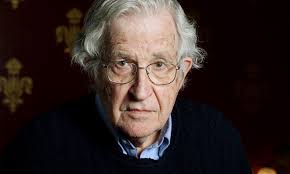 Noam Chomsky has revolutionized multiple fields of study from psychology to linguistics to political science. Chomsky changed the way human beings even think about language through such concepts as the universal grammar theory. In the field of psychology, Chomsky was instrumental in debunking Skinner’s theory of behaviorism. In the field of political science, with books such as Manufacturing Consent to Fateful Triangle to Hegemony or Survival, and many others, Chomsky enlightened people all over the world, from individual citizens to revolutionary political leaders. It is for these reasons, and more, why it is no surprise that Chomsky is regarded as one of the most influential thinkers of our time.
Shortly after the 2016 U.S. elections, I had the privilege of being able to sit down with Professor Chomsky at his office for a chat on an array of different topics, such as what is the fate of an honest intellectual, the concept of pre-modern societies, ethnic conflict, the religious nation-state, federalism, the political vulgarization of genocide, what is power, the value of truth and reconciliation commissions, and anarchism.
What is the Fate of An Honest Intellectual?
Noam Chomsky There’s a history, goes back 2500 years, back to the origins of recorded history, classical Greece, and the biblical records. Go back to Greece; there was a man [Socrates] who was accused of corrupting the youth of Athens by asking searching questions. His fate was to be killed with poison—given the hemlock. In the biblical record, which is partly accurate, partly not, there were critical intellectuals—the word that is used for them is prophets. That is a dubious translation of an obscure Hebrew phrase. What they were, if you look at what they were actually saying, were critics. They criticized the acts of the evil kings, they gave geopolitical analysis, warned that the policies were going to lead to disaster; they called for helping widows and orphans and so on. That is what today we call dissident intellectuals. What happened to them? They were imprisoned, driven into the desert, maligned; the worst of the Kings, King Ahab, condemned the Prophet Elijah as a hater of Israel because he was condemning the acts of the evil Kings—it is probably the origin of the notion of anti-American and anti-Israel, and so on. And it goes the same way throughout history.
Going up to modern times, the term intellectual, in the current sense, is really not used before the late 19th century. It came into use at the time of the Dreyfus trial in France, and Emile Zola and others who supported Dreyfus and condemned the state and the military. They were critical intellectuals [who] were bitterly condemned by the mainstream of the intellectual classes. Zola himself had to flee France for his life. That is the treatment of dissidents.
Shortly after that came the First World War, which was very striking, a lot of commentary on it now since it is the centenary. One of the most interesting things is the reaction of intellectuals. On every side, the intellectual classes lined up passionately in support of their own state. In Germany, there was a manifesto of 93 leading intellectuals instructing the civilized world that Germany is defending the great cultural legacy of Beethoven, Immanuel Kant, and so on, and the world should join them—on the Western side, the same. There were critics, [such as] Bertrand Russell in England, Rosa Luxembourg, Karl Liebknecht in Germany, Eugene Debs in the United States; they were put in jail. That is intellectuals. Read more
Gijsbert de Reuver & Stephan Sanders (red.) ~ Gevaarlijke gekken?
Ills. Joseph Sassoon Semah
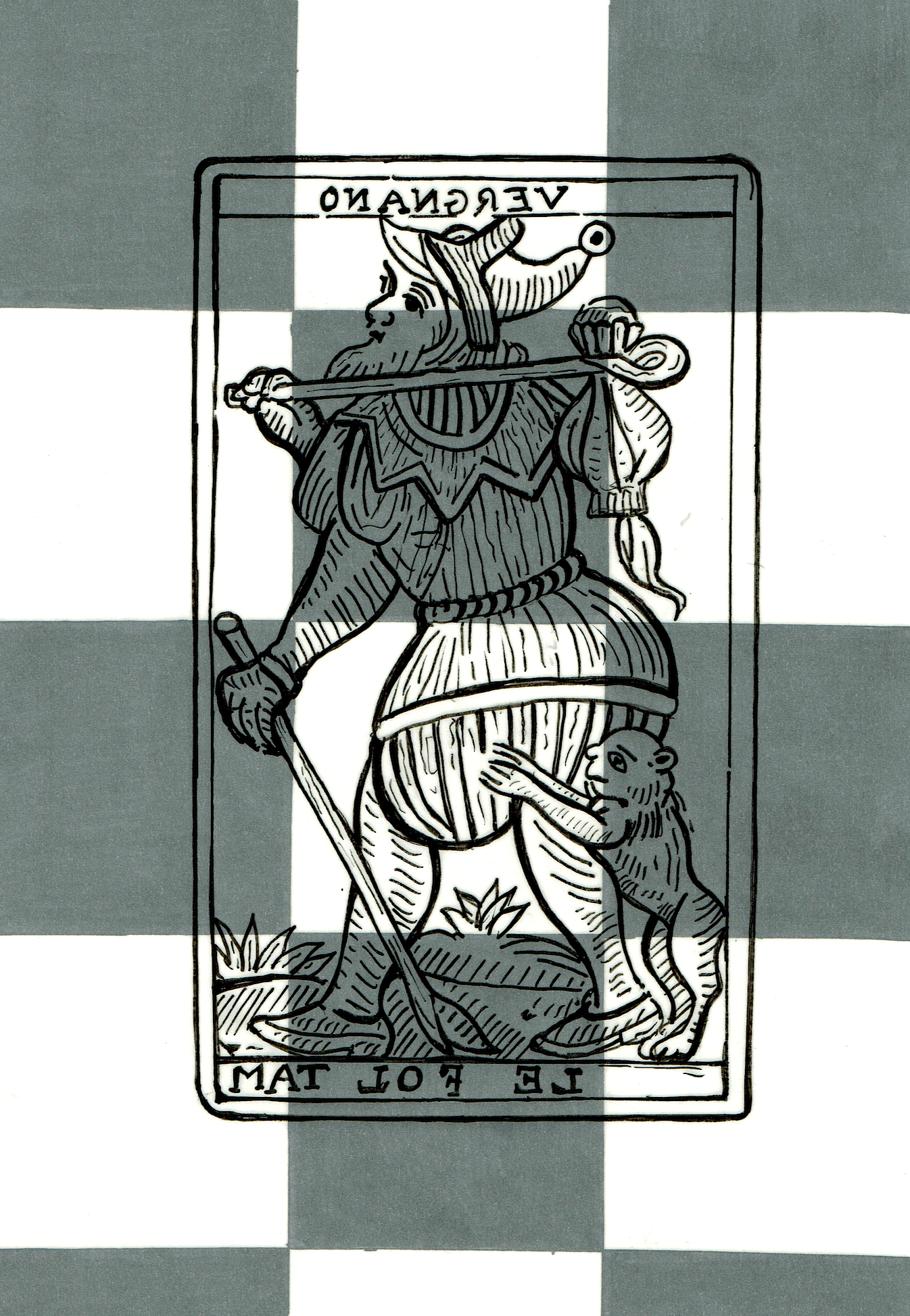
Speelt de impact van een gevaarlijke gek alleen op kleine schaal of kan de gevaarlijke gek ook de samenleving en de geschiedenis veranderen? Wordt de geschiedenis gemaakt door de enkeling of is ze de uitkomst van onvermijdbare structuren en onomkeerbare processen?
Deze vragen stonden centraal bij Gijsbert de Reuver en Stephan Sanders toen ze in 2017 een reeks lezingen organiseerden voor het Instituut voor Interdisciplinaire Studies over een aantal historische en hedendaagse figuren, die nu in Gevaarlijke gekken? zijn gebundeld. De auteurs geven geen definitie van gevaarlijke gekken, maar hanteren het begrip als een ‘sensitizing concept’.
De eerste twee hoofdstukken bieden inzicht vanuit de psychologie op de vraag ‘wat is gek?’ aan de hand van het classificatiesysteem DSM-5 en met bijzondere aandacht voor de ’casus’ Trump. Zo onderzoeken Aleksander Korzec en Mecheline H.M. van der Linden of Donald Trump een narcistische persoonlijkheidsstoornis heeft. Ze constateren via de dimensionale DSM-methode dat dat inderdaad het geval is.
Paul Brill analyseert in zijn essay Trump vanuit een historische en politieke invalshoek en ziet bij Trump eveneens narcistische trekjes, maar vindt het riskant om daaruit uitspraken te doen over zijn geschiktheid als president.
De andere essays beschrijven onder meer Vladimir Poetin, Mao Zedong, Sepp Blatter, Ulrike Meinhof en Slobodan Milosevic. Wat zijn hun persoonlijke, politicologische en historische achtergronden en wie inspireerden hen? Hoe voeren zij hun macht uit? Kunnen ze worden gedefinieerd als ‘gevaarlijke gekken?’
Read more
Noam Chomsky: Moral Depravity Defines US Politics
The US midterm elections of November 6, 2018, produced a divided Congress and essentially reaffirmed the existence of two nations in one country. But they also revealed, once again, the deep state of moral and political depravity that prevails in the country’s political culture — at least insofar as political campaigns go. In the exclusive interview below, world-renowned scholar and public intellectual Noam Chomsky discusses how the major issues confronting the United States and the world at large were barely addressed by the majority of candidates of both parties.
C.J. Polychroniou: Noam, with people still arguing about winners and losers from the 2018 midterm elections (and there is clearly a lot to say about what those elections mean), what do you consider to be the most striking features of the latest manifestation of American democracy in action?
Noam Chomsky: The most striking features are brutally clear.
Humanity faces two imminent existential threats: environmental catastrophe and nuclear war. These were virtually ignored in the campaign rhetoric and general coverage. There was plenty of criticism of the Trump administration, but scarcely a word about by far the most ominous positions the administration has taken: increasing the already dire threat of nuclear war, and racing to destroy the physical environment that organized human society needs in order to survive.
These are the most critical and urgent questions that have arisen in all of human history. The fact that they scarcely arose in the campaign is truly stunning — and carries some important, if unpleasant, lessons about our moral and intellectual culture.
To be sure, not everyone was ignoring these matters. They were front and center for those who are constantly vigilant in their bitter class war to preserve their immense power and privilege. Several states had important ballot initiatives addressing the impending environmental catastrophe. The fossil fuel industry spent huge, sometimes record-breaking, sums to defeat the initiatives — including a carbon tax in the mostly Democratic state of Washington — and mostly succeeded.
We should recognize that these are extraordinary crimes against humanity. They proceed with little notice. Read more
Spinoza ~ Ethica, work without obstacle
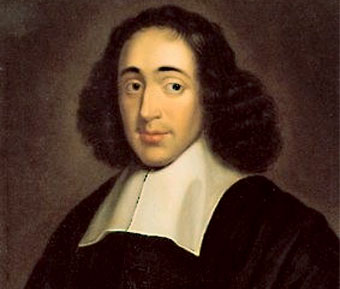
Baruch Spinoza (1632-1677)
Ethica, work without obstacle, is funded by Conseil régional des Hauts de France, and FEDER, a thematic and structuring project 2015-2018 of the University of Picardy Jules Verne.
Go to: http://app.ethica-spinoza.net/fr/connections
Patrick Fontana received in 2013, the grant Brouillon d’un Rêve Pierre Schaeffer from Société Civile des Auteurs Multimédia (French multimedia publishing rights society) (SCAM), and the grant aide à l’écriture et au développement aux nouveaux médias from Centre National du Cinéma et de l’image animée, France, (CNC), with the unanimous decision of the jury.
Patrick Fontana and TYGRYZ Compagny, received in 2016, the grant aide à la production DICREAM from Centre National du Cinéma et de l’image animée, France, (CNC).
Ethica has been hosted and supported (2015-2016) by the Fondation Maison des Sciences de l’homme, Paris, scientific director, Jean-Pierre Dozon.
The Social and Political Thought Research Group, Brunel University of London participated in the financing of Ethica’s teaser in 2015.
Production : Emmanuel Ryz, Patrick Fontana
Designers : Bachir Soussi Chiadmi, Kevin Tessier
Search this site
About
Support
Like us on Facebook
Archives
- April 2024
- March 2024
- February 2024
- January 2024
- December 2023
- November 2023
- October 2023
- September 2023
- August 2023
- July 2023
- June 2023
- May 2023
- April 2023
- March 2023
- February 2023
- January 2023
- December 2022
- November 2022
- October 2022
- September 2022
- August 2022
- July 2022
- June 2022
- May 2022
- April 2022
- March 2022
- February 2022
- January 2022
- December 2021
- November 2021
- October 2021
- September 2021
- August 2021
- July 2021
- June 2021
- May 2021
- April 2021
- March 2021
- February 2021
- January 2021
- December 2020
- November 2020
- October 2020
- September 2020
- August 2020
- July 2020
- June 2020
- May 2020
- April 2020
- March 2020
- February 2020
- January 2020
- December 2019
- November 2019
- October 2019
- September 2019
- August 2019
- July 2019
- June 2019
- May 2019
- April 2019
- March 2019
- February 2019
- January 2019
- December 2018
- November 2018
- October 2018
- September 2018
- August 2018
- July 2018
- June 2018
- May 2018
- April 2018
- March 2018
- February 2018
- January 2018
- December 2017
- November 2017
- October 2017
- September 2017
- August 2017
- July 2017
- June 2017
- May 2017
- April 2017
- March 2017
- February 2017
- January 2017
- December 2016
- November 2016
- October 2016
- September 2016
- August 2016
- July 2016
- June 2016
- May 2016
- April 2016
- March 2016
- February 2016
- January 2016
- December 2015
- November 2015
- October 2015
- September 2015
- August 2015
- July 2015
- June 2015
- May 2015
- April 2015
- March 2015
- February 2015
- January 2015
- December 2014
- November 2014
- October 2014
- September 2014
- August 2014
- July 2014
- June 2014
- May 2014
- April 2014
- March 2014
- February 2014
- January 2014
- December 2013
- November 2013
- October 2013
- September 2013
- August 2013
- July 2013
- June 2013
- May 2013
- April 2013
- March 2013
- February 2013
- January 2013
- December 2012
- November 2012
- October 2012
- September 2012
- August 2012
- July 2012
- June 2012
- May 2012
- April 2012
- March 2012
- February 2012
- January 2012
- December 2011
- November 2011
- October 2011
- September 2011
- July 2011
- June 2011
- May 2011
- April 2011
- March 2011
- February 2011
- January 2011